Reviewing the Country of Iceland
In July I went to Iceland. I hate planes, and I touched down at Keflavík Airport roasted by lack of sleep and darn thirsty. I’d had a hallucinatory encounter with Star Trek II: The Wrath of Khan while onboard the Delta torture-tube and like Captain James Tiberius Kirk I was feeling young in the most difficult way possible. In order not to fall asleep prematurely and derail my ability to function for the whole extent of my European sojourn, I set myself upon a forced march around the city of Reykjavík.
Coming from the United States, I found Reykjavík possessed the uncanny mien of a large college town somehow completely overrun by tourists and consequently lousy with souvenir shops: the Champaign-Urbana of European national capitals, if the land surrounding Champaign-Urbana were to have geologic features. I lucked out exceedingly on weather (an unlikely but recurring theme for my European vacation, here in the hottest summer since/until last/next summer) and enjoyed three days of sunny warmish weather unlike the stereotypical Icelandic clime. Walking around Reykjavík under a sun as warm as it would be on the fifteenth-best November day in Washington DC feeling batshit crazy and sick as hell was comfortingly familiar.
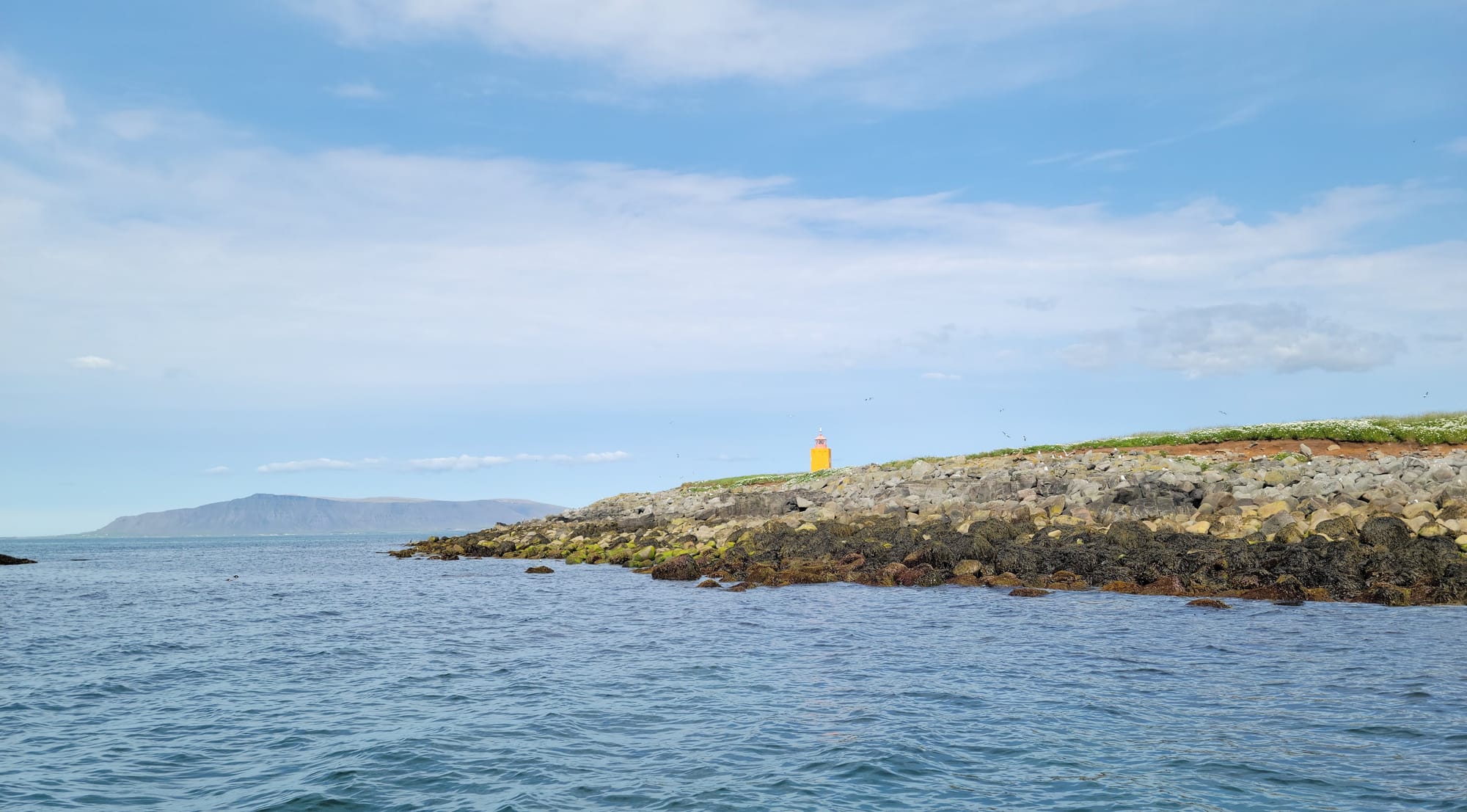
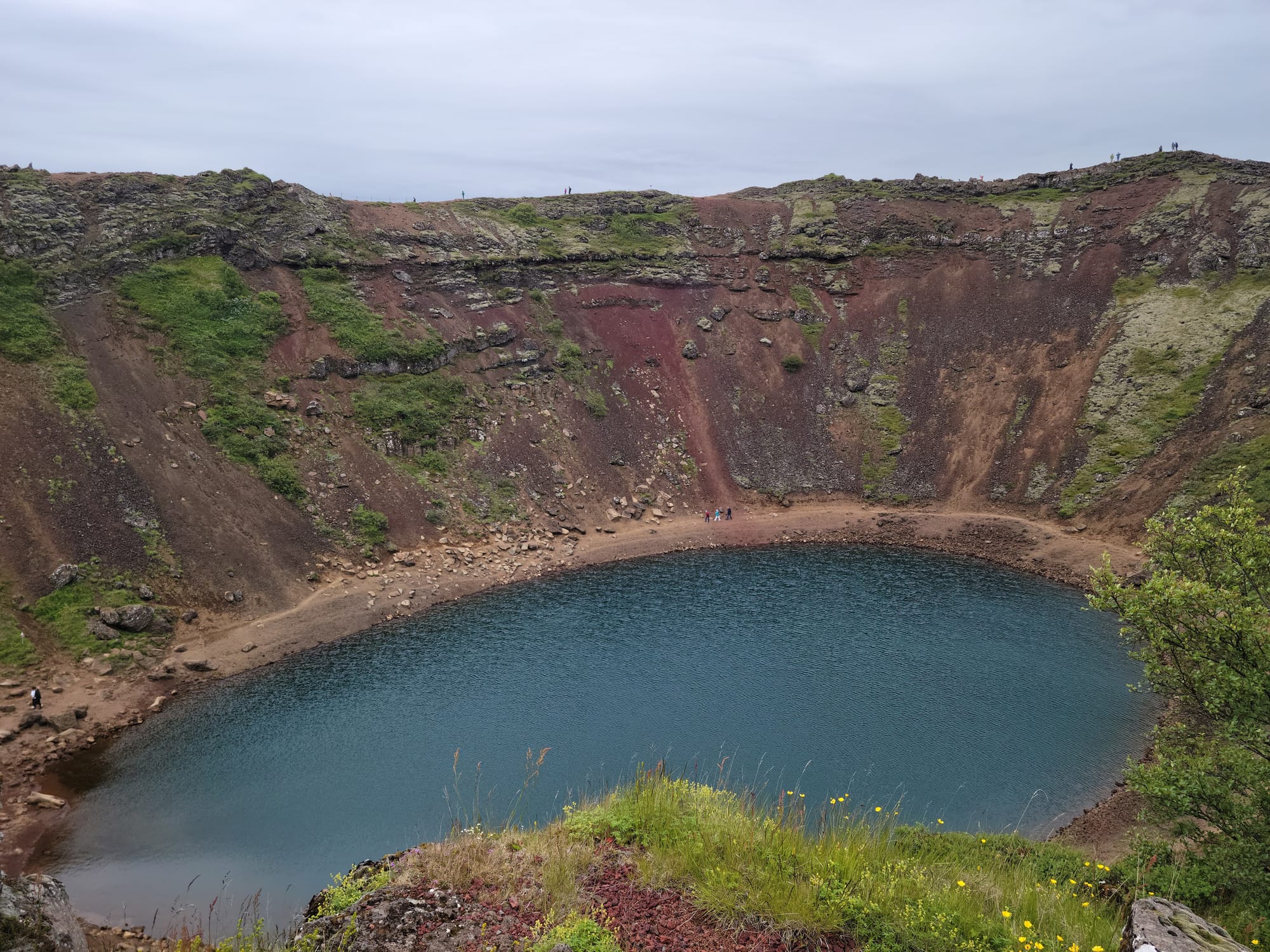
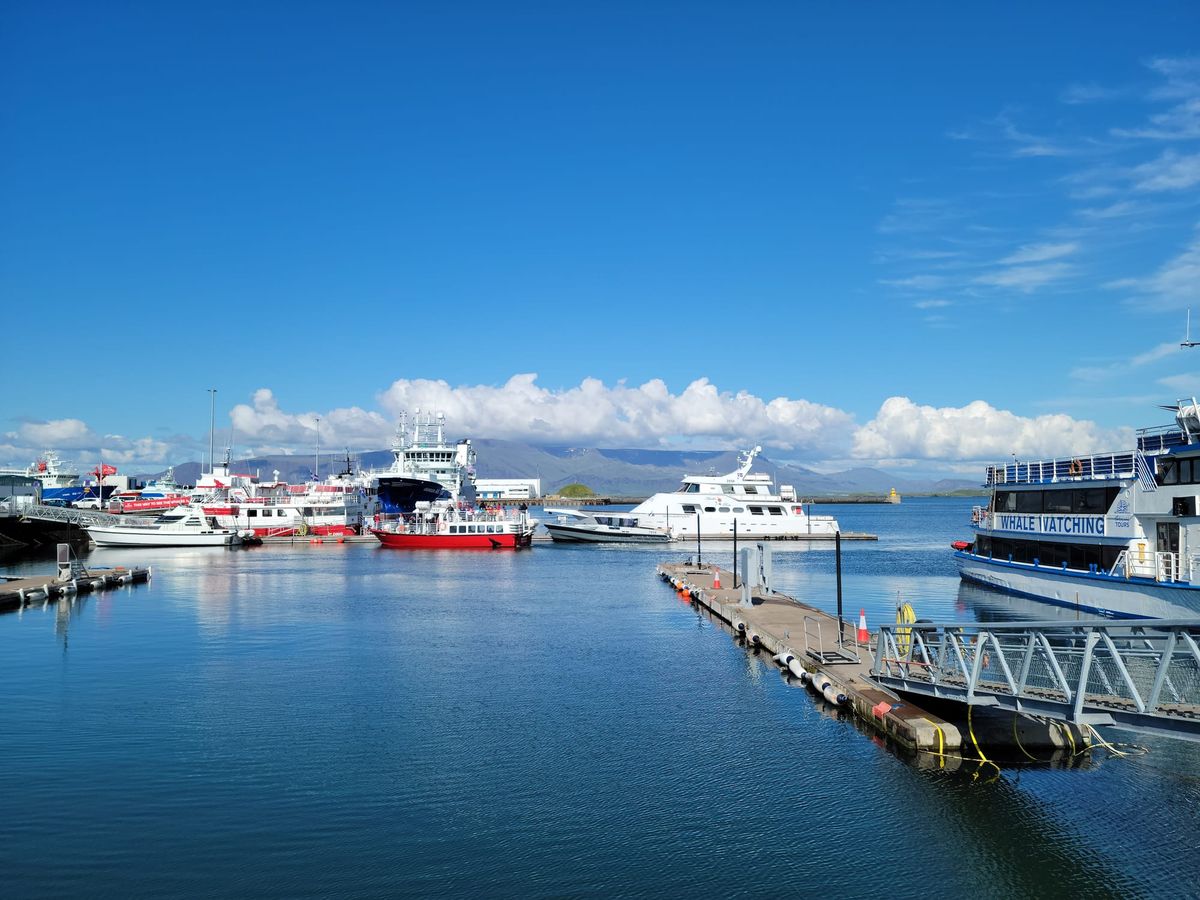
Iceland is exactly as scenic as you’ve heard. Reykjavík’s harbor teems with austerely painted boats, white against the harsh blue bay. Charming, colorful metal-clad houses line the streets. Volcanic plains sprawl familiar as the alien planet in every big-budget movie, and rocky hills roll away into cold ocean. Etcetera, etcetera. Among these startling vistas you will find no shortage of beautiful handicrafts: toasty-warm sweaters, delicious pastries, stark silver and rock jewelry.
If you experience only one form of Icelandic boutique shopping, make it the Fischersund Perfumery. Having read about its mystical Sigur Rós-induced vibes in a Lonely Planet guide, I lured my travel companions to the establishment without warning them of its artistic pedigree. When we entered the shadowed confines of the store, we were greeted by artfully-arranged heaps of fragrant hay, antique chests of exotic fragrances, a big dog, and the statuesque black-clad proprietress, who proceeded to tour us through each available scent in what I can only describe as an exquisite piece of experiential design, an encounter which culminated in the revelation of the store’s Sigur Rós connection to my companions. This adventure stands as one of my greatest and most harmless pranks: everyone left delighted.
When one tires of contemporary pleasures, one can disappear into the unique history of the island: vikings, parliamentary governments, fish, loneliness. The Settlement Exhibition of Reykjavík allows you to tour the preserved excavation site of some of the earliest human-made structures in Iceland, which have been dated to within a year or two of their construction thanks to volcanic ash. It’s so strange to visit a piece of land so young we know to within a few years’ certainty when people set up shop there. And not a few epic, geologically ancient years, but years about which you might know a discrete fact or two, years someone put in their monastery’s ledger or upon their giant stone calendar.
I can answer the question “Should I vacation in Iceland?” with an easy “Yes”. If you put yourself in Iceland, you will probably find something cool and interesting to do which will create durable fond memories for you and tissue-thin disposable memories for your social media followers, the best of both worlds.
Like all the perpetually irreconciled, though, I always secretly ask the other question wherever I go: “Is there where I finally belong?” The answer is “No”. Some striving, selfish decadence possesses me, an ambition or desire born of arrogance which keeps me from accepting either my lot or the state of the world. This is an attitude which I suspect could not be well-metabolized into the chilly order of Nordic Socialism, nor into life on a remorseless northerly island.
The most compelling story I learned in Iceland was that of a man named Sölvi Helgason (he sometimes styled himself “Sólon Íslandus”, because he was a cool relatable guy who needed more than one name to get through this life). Sölvi lived as a rambling weird vagabond in 1800s Iceland, doing odd jobs and going to jail sometimes because the law forbade noodling around. Sölvi’s collection of writings and odd drawings combine wild theorizing, floral motifs, and caricatures of his friends and enemies. Later reforms improved the treatment of vagabonds and weirdos, but not in time for Sölvi. He could not cool his jets and he could not make himself right for the place where he found himself. From our modern theoretical vantage point, we would say he probably shouldn’t have had to. Now Iceland is a neat place full of social goods, but I still don’t know if I’d want to be crazy there.
At times the spare and in-urgent contours of Icelandic life made me depressed about the possibilities contained in The Revolution, should it ever come to pass. Does a peaceful society demand reduction, homogeneity, and separation? Where will all the furor, verve, and rupture go, when we learn how to order things? Do I want that much peace of mind?
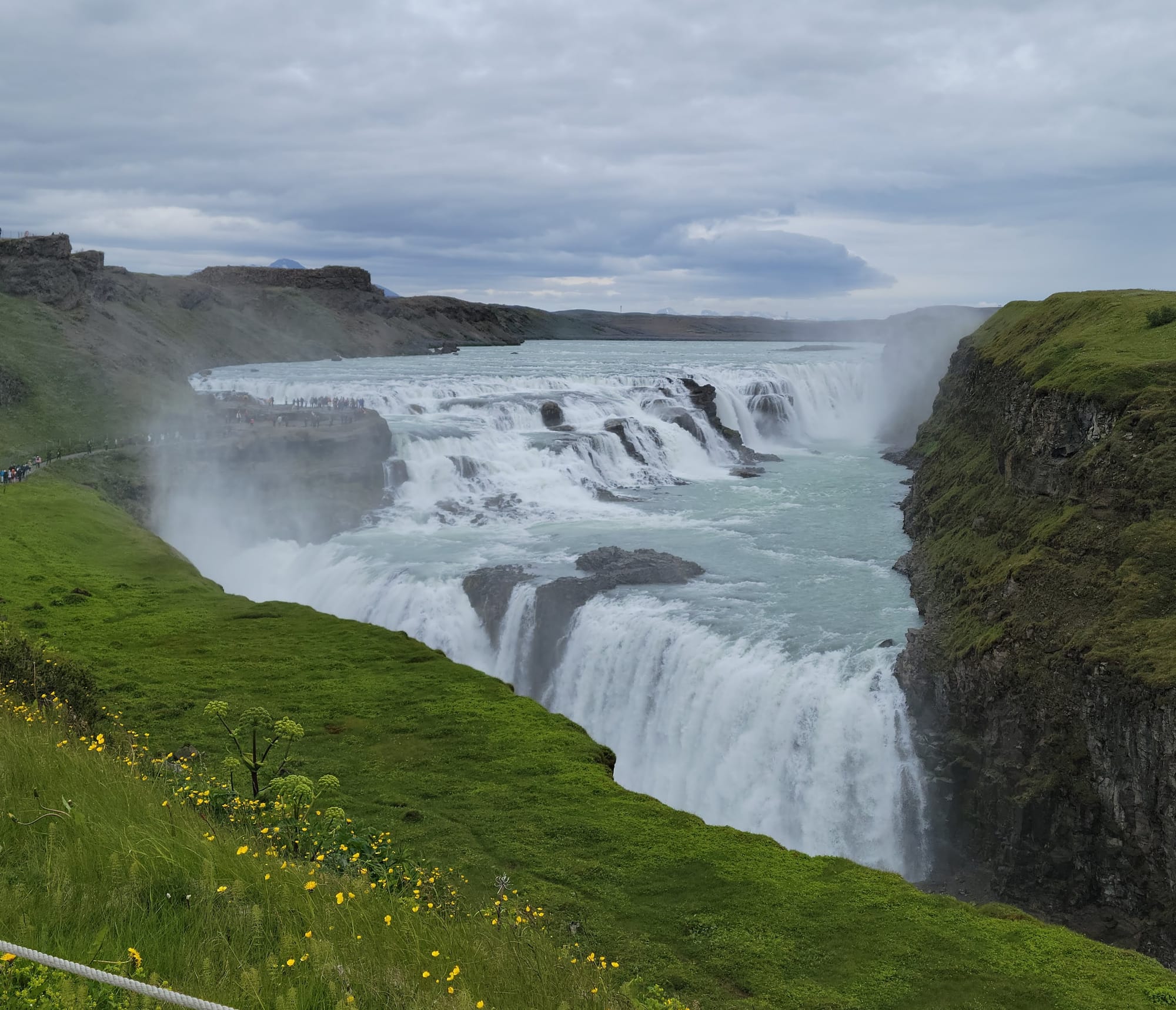
At other times, however, the land reminded me that Iceland is nowhere near the end of history. The whole country is in urgent danger from climate change-induced AMOC collapse. Even if we manage to get away with our carbon crimes, the volcanic nature of the place will always threaten to crack the island in two. Our Golden Circle tour guide, the flawlessly deadpan Magnús, mentioned how close the volcanic eruptions have gotten to Reykjavík lately. 60% of all the people in Iceland live around there. He concluded this apocalyptic rumination: “Someday it will be devastating…Or not.”
For the Sölvis among us, the world was cracked from day one, or we were. The world will crack all of us eventually, from Iceland to America and back again. Everything will be remade, burned away and remade. Not, unfortunately, in the image we dream of, but again and again, with and against our hopes. It will be devastating.
Or not.