Under the Wide Canopy of NarraScope 2026
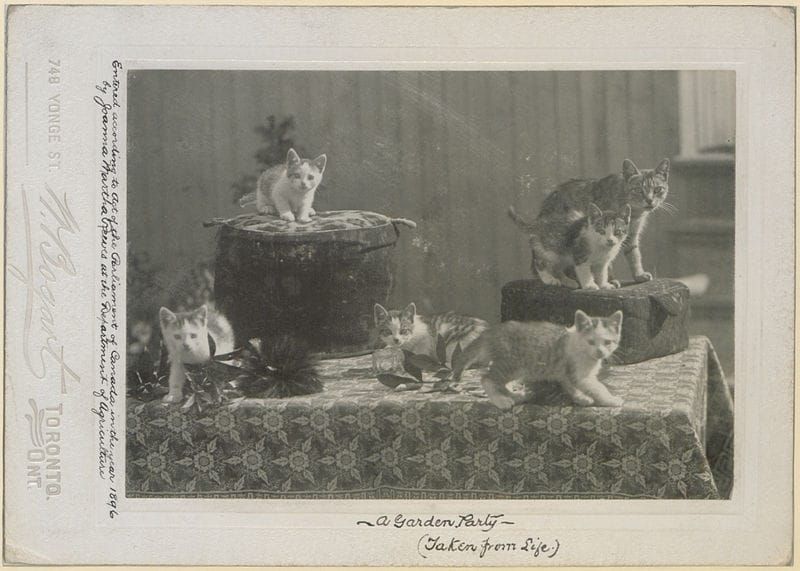
In a storm, find a shelter.
Every year after every last year, we hear about more corporate buyouts, more layoffs, more studio closures. Everyone’s lost their job at least once, if they ever had one. Nobody’s going to GDC this year because it’s too scary to cross the border or too hostile and expensive to chill out in the techno-feudal confines of San Francisco.
NarraScope 2025 was something of a mad hedonistic dash to convene: besides having the best conference catered lunch of all time (iykyk), the conference took place in the sprawling multi-building complex of prestigious Drexel University, located in the world-class, world-historical city of Philadelphia. With multiple after-parties and a million different talks, NarraScope 2025 splayed much beyond the usually humble parameters of North America’s most mild-mannered game design conference. This expansion was logistically and financially challenging. It taxed the all-volunteer organizing team commensurately.
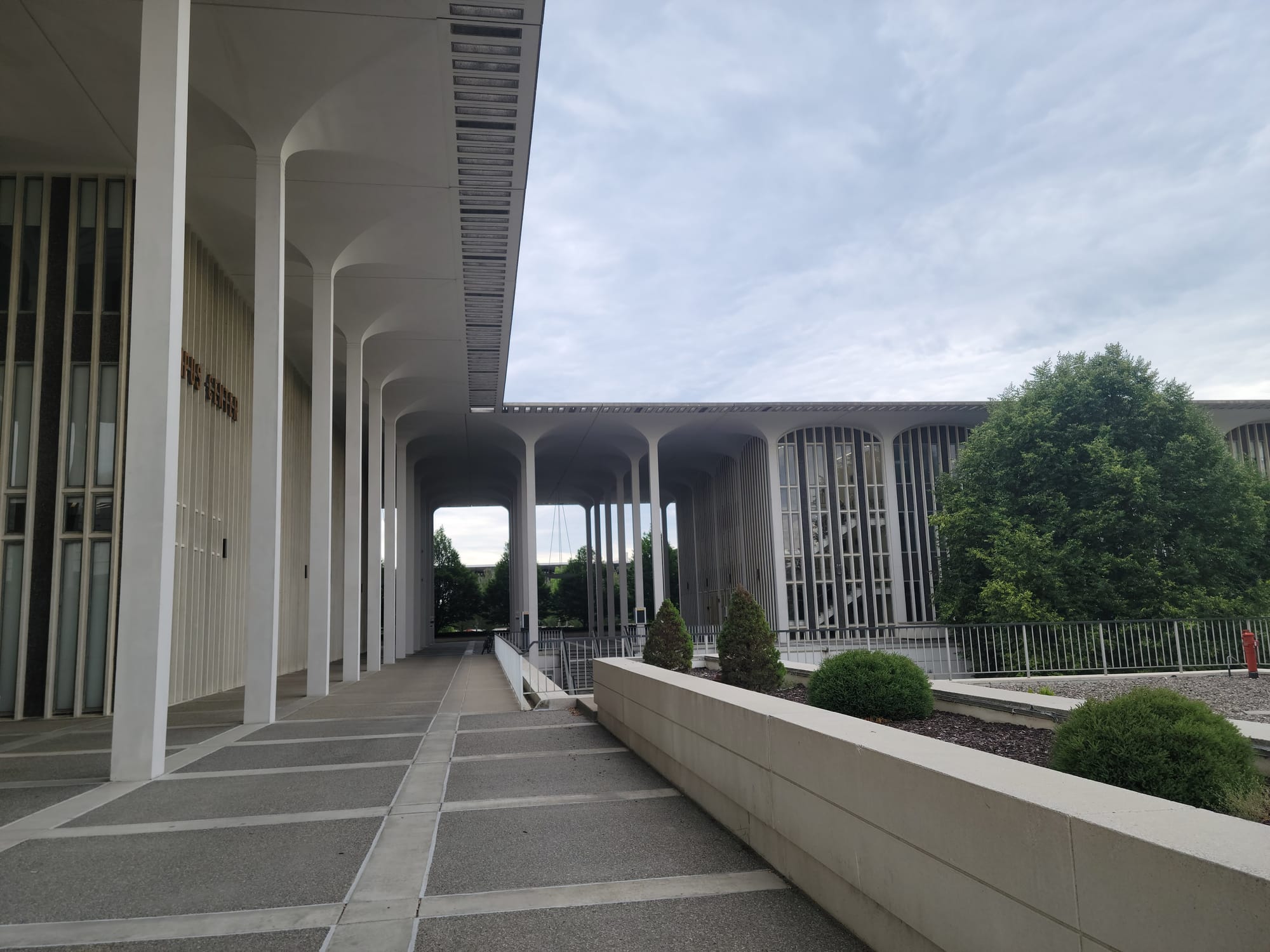
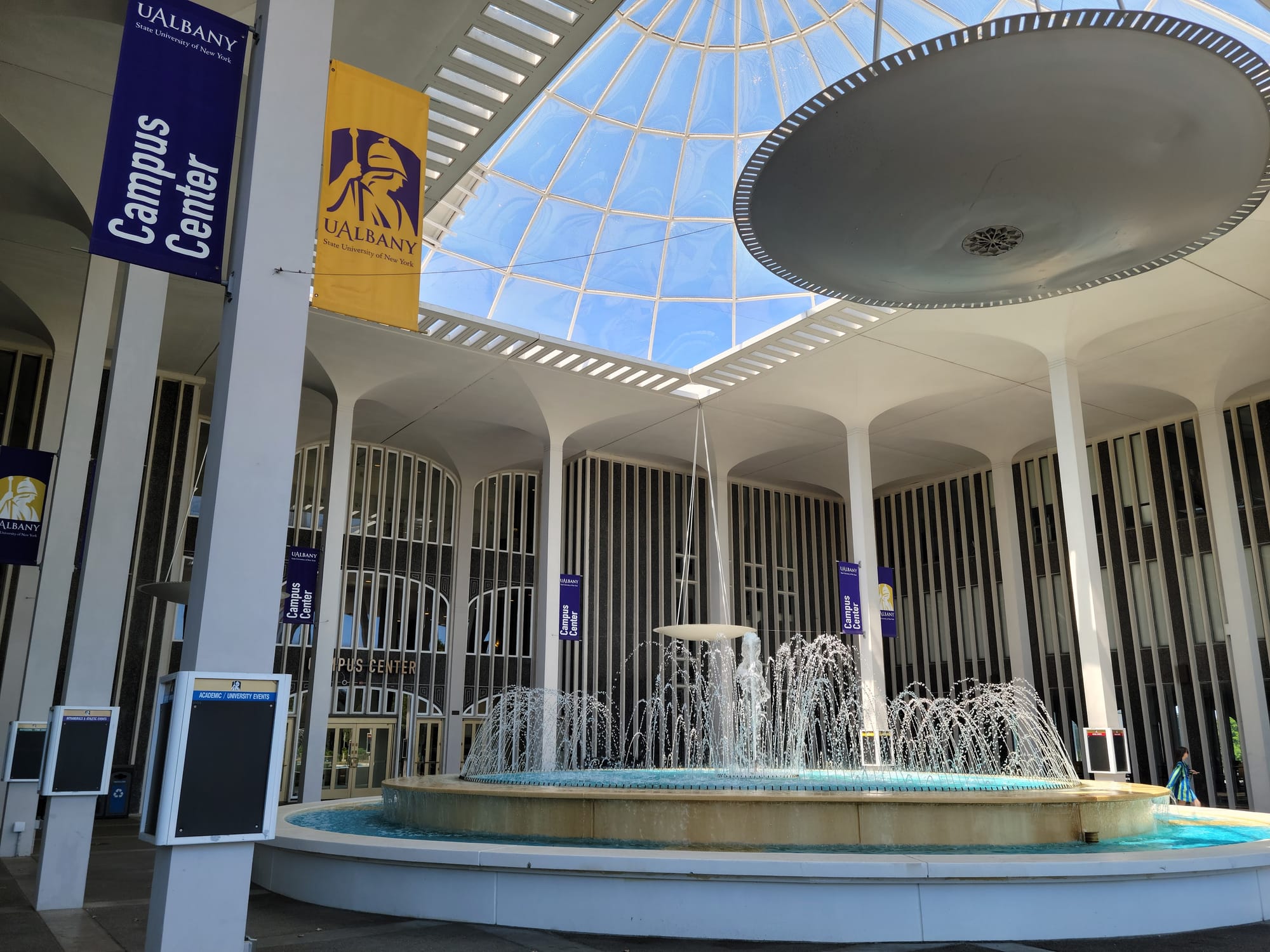
Returning to the drawing board for 2026, we resolved to prioritize the health of the volunteers and the financial security of the conference. Thus the conference returned this year in a chastened, ascetic form. The lunch was literally school lunch, delivered from the generous hands of hospitable state university the University at Albany. UAlbany also furnished a small portion of its sprawling-but-somehow-single-building complex for conference activities. Said school was located in Albany, New York, one of the many state capitals made humble by a bigger, better city elsewhere. There were fewer talk tracks. The IGDA Writing SIG ran a single party on Saturday night.
Most importantly, the budget and all the volunteers survived! Which is a small miracle in and of itself, because the game industry and the world appear to be trapped in a cycle where we all say “How can it possibly get any harder?”
Then it does get harder.
Maybe I’m getting older or crazier, but it sure seems like capital hates us (writers? artists? people who can’t just figure it out?) and is trying to blast us off the face of the earth. We’re clinging by our fingertips, suspended over the abyss.
But, even penned up by a failing industry and an apparently failing world, there was much good stuff to be had at NarraScope 2026. The Showcase, an indie game competition, and The Experience, a program of augmented reality and immersive interactive projects, brought delightful and beguiling new activities to the conference’s front door. Eminences Meredith Gran and Sharang Biswas inaugurated Saturday and Sunday with provocative and stimulating keynotes. They reminded us why we do the work and how much more good work remains to be done.
Talks ranged across the broad field of our deceptively tiny demesne. Go now to YouTube, don’t wait, don’t linger: the conference is hiding there! See Alex M. Lee discuss Princess Maker or Rebecca Slitt on interactive adaptations of Arthuriana, and remember the joy of speaking about your passions and delights. Ponder the craft and the path to project completion with Max Lincoln’s talk on game music and Liz Anderson’s talk on high-volume writing strategies. Take advice from the experts, Richard Dansky and Rose Behar, on how to endure and, maybe, thrive in a hostile industry. And much, much more for writers and hobbyists and designers and fans and you.
Double-back with me by one sentence, though, and focus for a moment on the talks given by Dansky and Behar. Dansky, an industry veteran, delivered a call to action for members of the narrative design, instructions on how to justify and defend the craft in the face of uninterested, unthinking leads and studio heads. Behar, a generous dispenser of career-building guidance, outlined the thrilling rollercoaster of her own career and the strategies which helped her survive it. In these small venues our friends stage the quiet and invisible front of the war that UVW-CWA and its ilk fight loud. Mentorship, encouragement, exhortation to survive: people need this right now.
At Write Club, the after-hours event put on by IGDA’s Writing SIG, Richard Dansky received the first-ever Writing SIG Lifetime Achievement Award. In his acceptance speech, he discussed the future of games and of narrative as embodied by the attendees of NarraScope. He voiced his wish that by putting effort into the conference, he was putting energy, hope, empowerment back into the people gathered there, the people who would make the industry a better place in the future.
Will we? Of late, I struggle to make the future more than a fearfully impenetrable opacity. The industry collapses, juniors transfigure into Claudes, everybody pays by the installment, and everything we do is for the satisfaction of distant strangers. War, hate, climate change: we scuttle along a timeline worryingly near to running out. Then capital tries to sell us back the idea that we need to be the heroes who save the world from its depredations. As writers and creative laborers, capital uses us to sell that idea. Wherever we are in the great chain of miserable being, we’re all implicated in its continuation.
And yet…it’s easy to go on and on about vast systems and our wills subsumed by them, to drift into a mode of doomerist platitude which neutralizes any kind of action. When Richard Dansky observed us all there at the City Line Bar & Grill of Albany, New York, he did not only observe us as a class (artists, tech workers, the habitually unemployed, etc.). He placed his faith in our existence as individual beings more than extensions of a system. We exist in and of ourselves, and still contain secret places capital cannot reach. We make our business building stories and systems: we can imagine new ones.
We may not get to be heroes, which is hard. The biggest, best-selling video game narratives are about being heroes. AAA video games may be the most solipsistic and egotistical narratives ever invented. We, the ones who have to solve this industry, are regrettably addicted to this narrative in one way or another.
But if we’re not heroes, we may have the opportunity to be something more interesting: members of a community.
If you’re in a storm and can’t find a shelter, you’ll have to build one. You don’t have to build it alone. The work of creating games and interactive narratives can be profoundly meaningful, but also ephemeral, lonely, and subjugated to the whims of capital. Much of your work exists for the hearts of others far away.
It’s important to build things in real life too. We cannot yet know what will survive this storm: games, game designers, NarraScope. But we-as-people need to survive and we have tools we can use to do so. When we work together to make a place to meet that’s just ours, we keep the best parts of our work and our community going a little bit longer. We get a moment closer to the day the storm breaks.